The Hidden Backbone of a Robust Data Warehouse: Dimensions Done Right
It's not about size or speed—it's about the strength of your dimensions.
What Defines a Truly Robust Data Warehouse?
Over the years, I've encountered countless data engineers, architects, and BI specialists, all confident that their Data Warehouse is "robust." Some point to the size of their databases, others to the volume of transactions processed or the speed of their ETL pipelines. While these are important metrics, they don't tell the whole story.
In my 15+ years of experience, I've come to a critical realization: a truly robust Data Warehouse is defined by the quality of its dimensions. Dimensions are the backbone of any analytical system—they connect data across domains, enable meaningful hierarchies, and provide the context required for decision-making. If your dimensions are poorly designed, no amount of high-performance storage or ETL optimization will compensate.
What Makes Dimensions the Heart of a Data Warehouse?
- They Bridge Business Domains — Well-designed dimensions act as connectors between different fact tables and business areas. For example, a dimension like
CustomerorProductties together sales, inventory, and marketing data, enabling cross-functional insights. Without this bridge, analysis becomes siloed and incomplete. - They Support Hierarchies for Multilevel Analysis — Dimensions allow you to model hierarchies such as
Region > Country > CityorYear > Quarter > Month. These hierarchies let analysts zoom in and out of data at different levels, uncovering trends and patterns that drive strategic decisions. - They Capture Changes Over Time — Dimensions that handle Slowly Changing Dimensions (SCDs) ensure that historical context is preserved. For instance, tracking when a customer changes their address or when a product is rebranded helps answer critical questions about behavior and trends over time.
- They Enable Regular Updates Aligned with Business Needs — A robust Data Warehouse ensures dimensions are updated with the frequency required by the business, whether it's daily, hourly, or in real-time. Stale or outdated dimensions undermine the credibility of analytics.
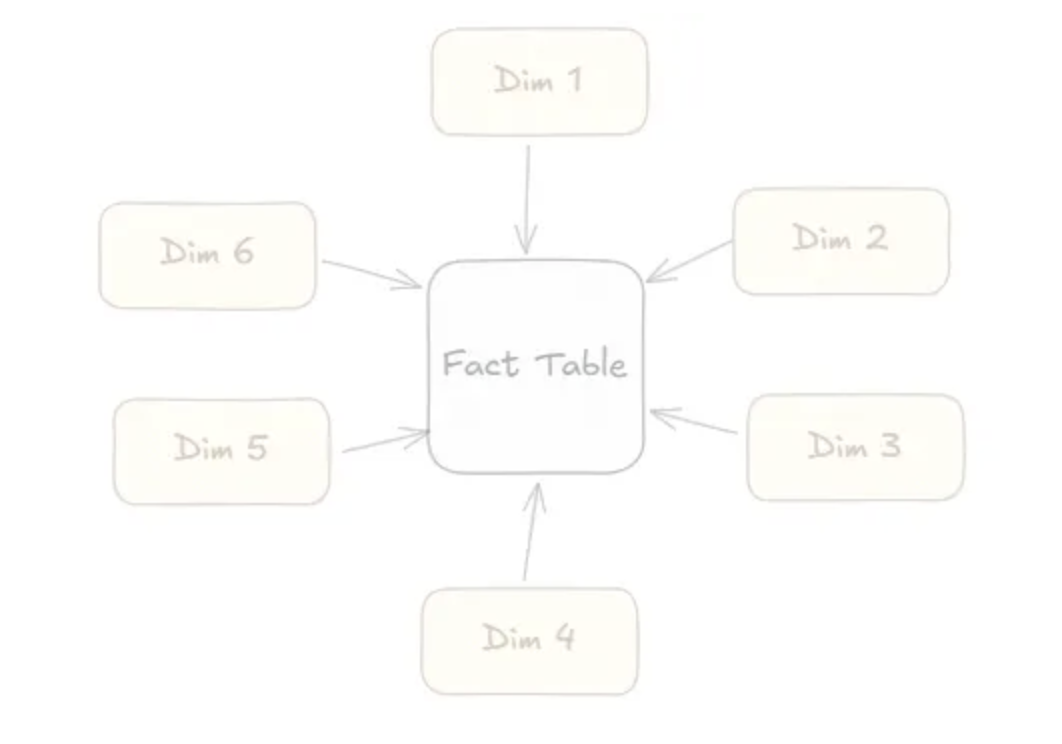
- They Provide Context for Fact Tables — Fact tables store the metrics, but dimensions give those metrics meaning. A fact table with revenue data is just numbers without dimensions like
Date,Product, orCustomerto provide context.
Why Dimensions Matter More Than Technology
A common pitfall in Data Warehouse design is focusing too heavily on the technical infrastructure: the size of storage, the speed of queries, or the processing power of the ETL pipelines. While these are important, they're secondary to the foundational design of the dimensions.
Even the most advanced storage or fastest ETL process cannot fix a poorly designed Customer dimension with duplicate IDs or a Product dimension missing critical attributes like categories or descriptions. Dimensions are the interface between raw data and business insights, and their quality directly impacts the accuracy and usability of analytics.
Evaluating the Strength of Your Dimensions
Use these questions to assess the quality of your dimensions:
- Connectivity: Do your dimensions effectively connect multiple fact tables and business domains?
- Hierarchies: Are hierarchies well-defined, enabling multilevel analysis?
- Change Tracking: Can your dimensions capture and reflect changes over time?
- Timeliness: Are your dimensions updated as frequently as the business requires?
- Completeness: Do your dimensions contain all the attributes needed to support analysis?
If the answer to any of these is "no," it may be time to revisit your dimension design.
Building a Truly Robust Data Warehouse
When you combine well-designed dimensions with supporting elements like data quality controls, fast ETL/ELT processes, and scalable storage, you create a Data Warehouse that's not only robust but also capable of answering the business's toughest questions.
Example: The Power of Great Dimensions
Imagine a retail company analyzing sales data. With robust dimensions:
- The
Datedimension allows them to compare sales trends year-over-year. - The
Customerdimension links purchases across marketing campaigns, loyalty programs, and demographics. - The
Productdimension enables analysis by category, brand, or supplier.
Without these dimensions, even a high-performing Data Warehouse would struggle to deliver actionable insights.
Conclusion: Dimensions Are the Foundation of Success
A robust Data Warehouse isn't defined by size, speed, or volume alone. It's defined by the strength of its dimensions. They are the bridge between raw data and meaningful insights, the framework for understanding changes over time, and the context that brings metrics to life.
By prioritizing the design and governance of dimensions, you're not just building a Data Warehouse—you're building a solution that empowers the business to make informed decisions with confidence. And when business users trust the Data Warehouse as their single source of truth, the promise of data-driven decision-making becomes a reality.
Need help designing or auditing your dimensions? Contact us at team@simov.io.